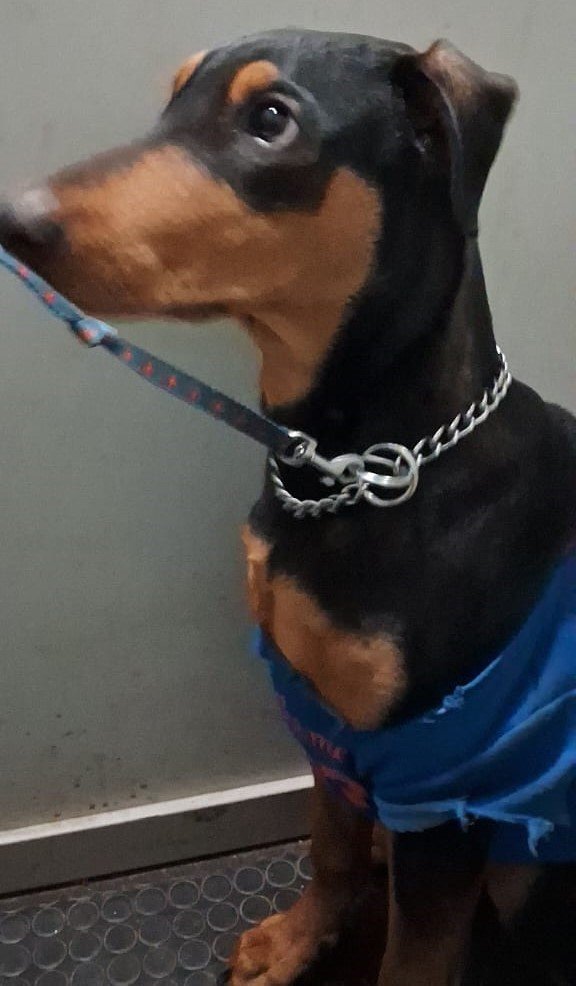
The Dobermann is often misunderstood due to its “tough” Hollywood image. In reality, modern Dobermanns are highly intelligent, sensitive, and deeply devoted “Velcro dogs” that thrive on human interaction. Their behavior is a unique blend of world-class athleticism and a surprisingly soft emotional core.
Here is a look at the core behavioral traits of a Dobermann:
1. The “Velcro” Loyalty
Like the Cocker Spaniel, Dobermanns are extreme companions. They do not do well as “outside dogs” or being left alone in a crate all day.
- Shadowing: They will follow you from the kitchen to the bathroom and everywhere in between.
- Physical Affection: Despite their sleek, imposing look, many Dobermanns think they are lap dogs and will try to lean against your legs or climb onto your lap.
- Sensitivity: They are incredibly in tune with their owner’s emotions. If you are stressed or angry, your Dobermann will likely become anxious or “clingy” in response.
2. High Intelligence and “Work ethic”
Ranked as the 5th smartest dog breed for obedience and working intelligence, they need a “job” to be happy.
- Boredom Behaviors: A bored Dobermann is a destructive Dobermann. If they aren’t mentally challenged, they may “remodel” your couch or dig up the yard.
- Training Speed: They pick up new commands remarkably fast (often in fewer than five repetitions). However, they can be pushy and may test boundaries if they sense a lack of leadership.
- Problem Solvers: Many Dobermanns learn how to open doors, unzip bags, or manipulate cabinets to get what they want.
3. Protection vs. Aggression
There is a major difference between being protective and being aggressive.
- Natural Guardians: You don’t usually need to “train” a Dobermann to guard; it is in their DNA. They are naturally watchful and will alert you to strangers.
- Reserved with Strangers: A well-socialized Dobermann is usually “polite but aloof” with new people. They won’t necessarily run up to lick a stranger’s face like a Beagle, but they shouldn’t show unprovoked hostility.
- Early Socialization: Without exposure to different people and environments as puppies, their natural guarding instinct can turn into fear-based reactivity.
4. High Energy Levels
Dobermanns are elite athletes and require significant daily outlets:
- Physical: They need 1–2 hours of vigorous exercise daily (running, hiking, or fetch).
- Mental: They excel in “brain games,” such as advanced obedience, agility, or scent work.
- The “Off Switch”: Once their physical and mental needs are met, Dobermanns are famous for being “couch potatoes” indoors—peaceful, quiet, and happy to nap near you.
Behavioral Profile Comparison
| Trait | Dobermann | Beagle (For Context) |
| Trainability | Extremely High | Moderate (Food-driven) |
| Independence | Low (Very needy) | High (Follows nose) |
| Exercise Needs | Very High | Moderate/High |
| Protective Instinct | Very High | Very Low |
| Social Style | One-man/Family focused | Pack/Stranger friendly |
Export to Sheets
Common Dobermann “Quirks”
- The “Dobie Lean”: They show affection by leaning their full weight against your shins.
- Nuzzling: They often use their long snouts to “poke” or nuzzle your hand to demand attention.
- Vocal Groans: While they aren’t as “howly” as Beagles, Dobermanns often make funny groaning or “talking” noises when they are settling down or frustrated.
Are you looking for training tips to manage a Dobermann’s protective instincts. contact me 8287611646